
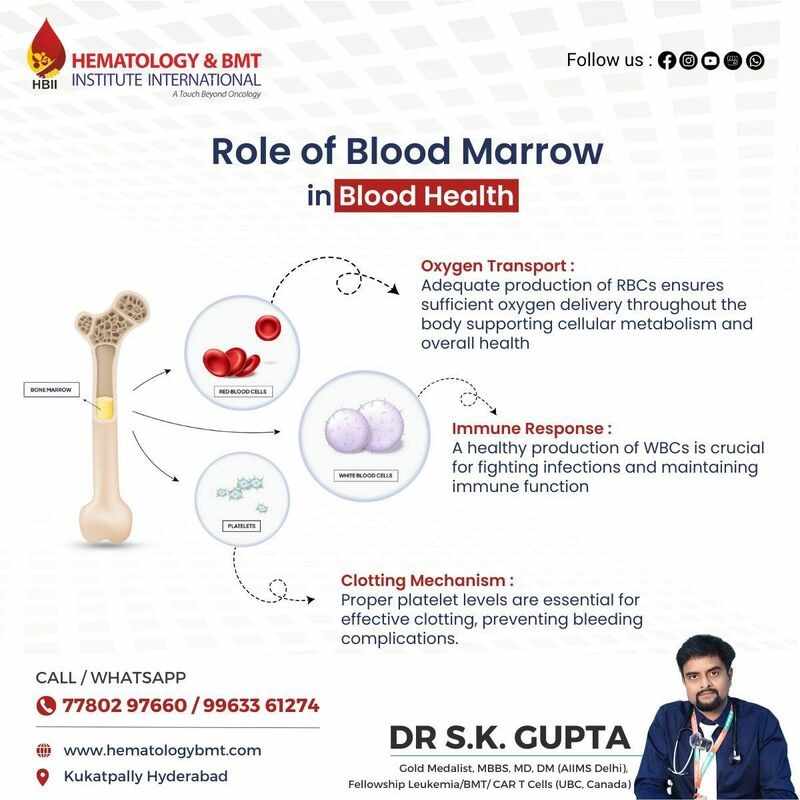
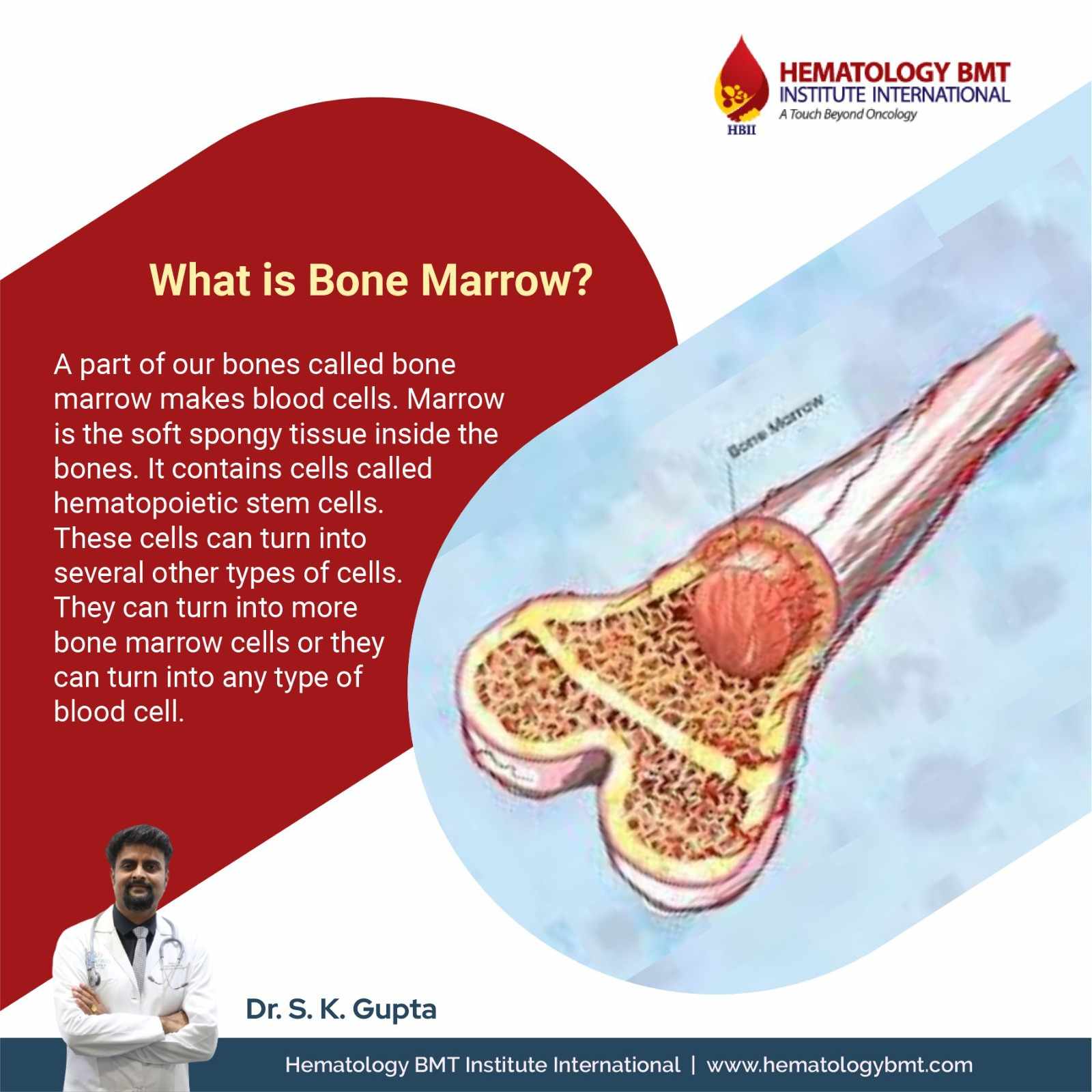
A bone marrow transplant (BMT), also known as a stem cell transplant, is a life-saving procedure used to replace damaged or diseased bone marrow with healthy stem cells. Bone marrow is the soft, spongy tissue inside bones responsible for producing red blood cells, white blood cells, and platelets. When the bone marrow is unable to function properly, a transplant may be recommended to restore healthy blood cell production.
What Is a Bone Marrow Transplant?
A bone marrow transplant involves replacing unhealthy bone marrow with healthy blood-forming stem cells. These stem cells can come from the patient's own body (autologous transplant) or from a compatible donor (allogeneic transplant). The goal is to help the body produce healthy blood cells and improve overall health.
Who May Need a Bone Marrow Transplant?
A bone marrow transplant may be recommended for individuals with certain blood disorders, cancers, or immune system diseases.
1. Leukemia
Leukemia is a cancer of the blood and bone marrow that affects the production of white blood cells. In some cases, a bone marrow transplant offers the best chance for long-term remission and recovery.
2. Lymphoma
Patients with Hodgkin lymphoma or non-Hodgkin lymphoma who do not respond adequately to standard treatments may benefit from a bone marrow transplant.
3. Multiple Myeloma
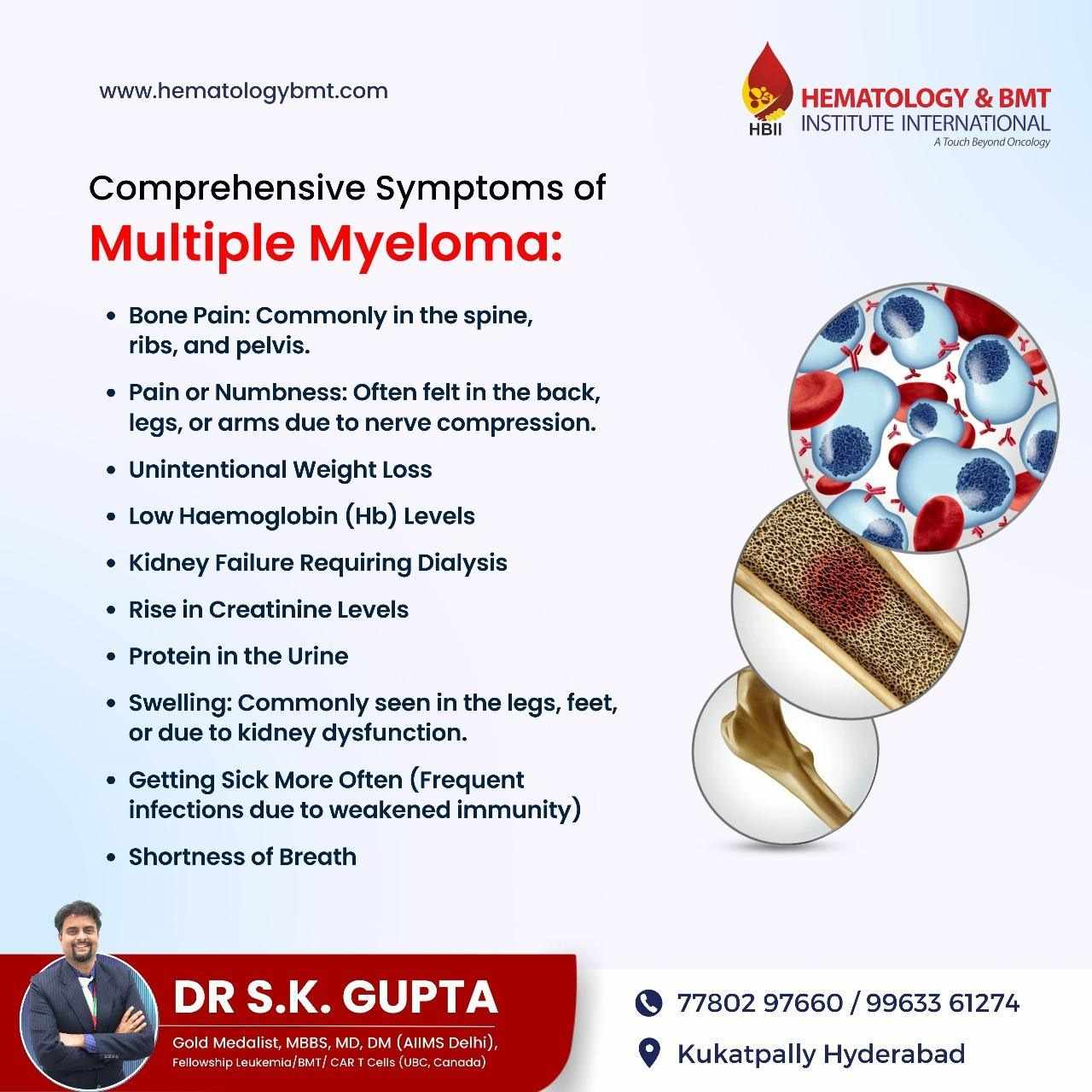
Multiple myeloma is a cancer of plasma cells. Stem cell transplantation is often an important part of treatment and can help improve outcomes and prolong remission.
4. Aplastic Anemia
Aplastic anemia occurs when the bone marrow fails to produce enough blood cells. For severe cases, a bone marrow transplant may provide a permanent cure.
5. Myelodysplastic Syndromes (MDS)
These disorders affect the bone marrow's ability to produce healthy blood cells. A bone marrow transplant may be recommended for eligible patients to prevent disease progression.
6. Thalassemia
Patients with severe thalassemia may require lifelong blood transfusions. A bone marrow transplant can offer a potential cure, especially when performed at an early stage.
7. Sickle Cell Disease
In selected patients with severe sickle cell disease, a bone marrow transplant may help eliminate the underlying blood disorder and reduce complications.
8. Certain Immune Deficiency Disorders
Some inherited immune system disorders can be treated with a bone marrow transplant to restore normal immune function.
Signs That a Bone Marrow Transplant May Be Considered
Your hematologist may evaluate you for a transplant if you experience:
Recurrent infections
Severe anemia
Frequent blood transfusion requirements
Persistent low blood cell counts
Blood cancers that have relapsed or are not responding to treatment
Bone marrow failure disorders
How Is Eligibility Determined?
Not every patient with a blood disorder requires a bone marrow transplant. Factors considered include:
Type and stage of disease
Patient's age and overall health
Availability of a suitable donor
Response to previous treatments
Risk versus benefit assessment
A thorough medical evaluation helps determine whether a transplant is the most appropriate treatment option.
Benefits of a Bone Marrow Transplant
Depending on the condition being treated, a bone marrow transplant may:
Replace diseased bone marrow with healthy cells
Restore normal blood cell production
Improve immune system function
Reduce dependence on blood transfusions
Increase the chances of long-term remission or cure
Expert Bone Marrow Transplant Guidance by Dr. S. K. Guptha
Dr. S. K. Guptha is a highly experienced clinical hematologist specializing in blood disorders, blood cancers, and bone marrow transplantation. He provides comprehensive evaluation, personalized treatment planning, and advanced hematology care to help patients achieve the best possible outcomes.
If you or a loved one has been diagnosed with a serious blood disorder, consult Dr. S. K. Guptha to learn whether a bone marrow transplant may be the right treatment option.









Write a comment ...